
Troy-Bilt pressure washers offer powerful cleaning solutions for various outdoor tasks․
Accessing the instruction manual, readily available for download from sources like the
Internet Archive, is crucial for optimal performance and safe operation of models like the
3000 PSI, 2600 PSI, and 875Exi․
These manuals, uploaded as recently as May 26, 2021, provide step-by-step guidance,
parts diagrams, and warranty details for a seamless user experience․
Overview of Troy-Bilt Pressure Washer Models
Troy-Bilt offers a diverse range of pressure washers, catering to different cleaning needs․ The instruction manual is essential for each model, including the popular 3000 PSI, known for its robust power, and the 2600 PSI, offering a balance of performance and usability․
The 875Exi model, also covered in available manuals, provides a more compact and user-friendly option․ These manuals, accessible via the Internet Archive and Manual Library, detail specific features, safety precautions, and maintenance schedules for each unit․ Understanding your model’s specifications, as outlined in the manual, ensures effective and safe operation․
Importance of the Instruction Manual
The Troy-Bilt pressure washer instruction manual is paramount for safe and efficient operation․ Downloadable from resources like the Internet Archive, these manuals – updated as recently as May 26, 2021 – provide critical information on assembly, operation, and maintenance for models like the 3000 PSI and 875Exi․
Ignoring the manual can lead to improper use, potential damage to the unit, and even personal injury․ Accessing and understanding the manual ensures you maximize the lifespan and performance of your Troy-Bilt pressure washer․

Safety Precautions
Always consult your Troy-Bilt manual for crucial safety guidelines․ Proper operation, electrical connections, and high-pressure spray techniques are detailed for user protection․
General Safety Rules
Before operating your Troy-Bilt pressure washer, thoroughly read the entire instruction manual․ Familiarize yourself with all warnings and safety precautions․ Always wear safety glasses or goggles to protect your eyes from debris․ Never point the wand at yourself or others․ Keep children and pets away from the work area during operation․
Ensure a stable footing and maintain a firm grip on the spray gun․ Do not modify the pressure washer in any way․ Disconnect the power source before performing any maintenance or repairs․ Be aware of your surroundings and potential hazards․
Electrical Safety
Always ensure the power cord is in good condition, avoiding any damage or fraying․ Use a Ground Fault Circuit Interrupter (GFCI) outlet when connecting the pressure washer․ Never use extension cords unless absolutely necessary, and if so, use a heavy-duty cord rated for outdoor use․
Avoid operating the pressure washer in wet conditions or near standing water․ Do not pull the cord to disconnect the power; always grasp the plug․ Before performing maintenance, always disconnect the power supply to prevent accidental activation․
High-Pressure Spray Safety
Never point the spray wand at yourself or others․ Maintain a safe distance from surfaces being cleaned to avoid ricochet․ Wear safety glasses or goggles to protect your eyes from debris․ Be mindful of the powerful force of the water spray, as it can cause injury․
Always release the pressure trigger before making adjustments or walking away from the unit․ Avoid spraying electrical components or wiring․ Inspect hoses and connections regularly for leaks or damage, ensuring safe operation․

Understanding Your Pressure Washer
Refer to your Troy-Bilt pressure washer’s instruction manual for detailed information on key components, nozzle functions, and the detergent application system․
Proper understanding ensures efficient cleaning and extends the life of your equipment․
Key Components and Their Functions
The instruction manual details each part․ Key components include the engine (like the GCV160 in some models), high-pressure pump generating cleaning force, and the unloader valve regulating pressure․
Hoses deliver water, while nozzles control spray patterns․ The detergent tank and application system mix and apply cleaning solutions․ Understanding these functions, as outlined in the manual, is vital for safe and effective operation․ Diagrams within the manual aid in identification and maintenance․
Nozzle Selection Guide
The Troy-Bilt instruction manual provides a crucial nozzle selection guide․ Different nozzles create varying spray patterns for diverse cleaning tasks․ A 0° nozzle delivers a concentrated stream for stubborn dirt, while a 15° nozzle is ideal for general cleaning․
A 25° nozzle suits wider areas, and a 40° nozzle is for delicate surfaces․ Soap nozzles apply detergent effectively․ Always consult the manual to choose the appropriate nozzle, preventing damage and ensuring optimal cleaning results․
Detergent Application System
The Troy-Bilt pressure washer instruction manual details the detergent application system․ Most models feature a built-in detergent tank and a siphon tube․ Ensure the siphon tube is correctly positioned within the detergent container for proper suction․
The manual emphasizes using recommended detergents and proper mixing ratios․ Select the appropriate nozzle (typically a soap nozzle) for detergent application․ Always rinse thoroughly after detergent use to prevent residue buildup and potential damage․

Assembly and Setup
The Troy-Bilt instruction manual guides users through unboxing, initial inspection, and component attachment․ It details attaching hoses and nozzles,
and connecting to a water supply․
Unboxing and Initial Inspection
Carefully unpack your new Troy-Bilt pressure washer, referencing the instruction manual for a component checklist․ Inspect all parts for shipping damage – hoses, nozzles, the power washer itself, and any included accessories․
Verify the model number matches your purchase․ Report any missing or damaged parts to Troy-Bilt customer support immediately․ Retain all packaging materials until assembly is complete and you are satisfied with the condition of your new pressure washer․
Attaching Hoses and Nozzles
Consult your Troy-Bilt instruction manual for specific hose and nozzle attachment procedures, as they vary by model․ Securely connect the high-pressure hose to both the pressure washer pump and the spray gun, ensuring a tight fit․
Attach the desired nozzle, twisting it into place until it clicks․ Always verify the connections are firm before operation to prevent leaks and ensure optimal pressure․ Refer to the nozzle selection guide within the manual for appropriate cleaning tasks․
Connecting to a Water Supply
Before connecting, ensure your water source provides at least the pressure specified in your Troy-Bilt pressure washer’s instruction manual․ Attach the water inlet adapter to a standard garden hose․ Fully open the water supply valve to maximize flow and pressure․
Check for leaks at all connections․ Never draw water from a source contaminated with chemicals․ Refer to the manual for guidance on using a water filter if necessary, protecting the pump from debris․

Operating Instructions
Consult your Troy-Bilt pressure washer instruction manual for detailed start-up procedures․ Adjust pressure settings carefully, and always shut down properly to prevent damage․
Starting the Pressure Washer
Before starting, ensure all connections are secure – water supply, hoses, and nozzles․ Refer to your Troy-Bilt instruction manual for specific model guidance․ Typically, this involves turning on the water supply fully, then plugging in the power cord to a grounded outlet․
Next, turn the power switch to the “ON” position․ Allow the pump to prime; this may take several seconds․ Avoid prolonged dry running, as it can damage the pump․ Always follow the manual’s safety precautions during operation․
Adjusting Pressure Settings
Your Troy-Bilt pressure washer features adjustable pressure settings, crucial for different cleaning tasks․ Consult your instruction manual to understand your specific model’s controls․ Typically, a pressure adjustment knob or dial controls the output․
Start with the lowest setting and gradually increase it as needed, testing on an inconspicuous area first․ Incorrect pressure can damage surfaces․ Remember, nozzle selection also impacts cleaning power; a narrower nozzle increases pressure․
Shutting Down the Pressure Washer
Proper shutdown is vital for extending the life of your Troy-Bilt pressure washer․ First, release the trigger gun and turn the unit off․ Next, disconnect the water supply to relieve pressure within the system․
Refer to your instruction manual for model-specific procedures․ Some models require a specific shutdown sequence․ Finally, ensure the unit is completely cooled before storing, preventing potential damage to components․

Maintenance and Care
Regular maintenance, detailed in your Troy-Bilt instruction manual, ensures optimal performance․ Cleaning, nozzle upkeep, and winterizing are key to longevity․
Following these guidelines, found in downloadable manuals, protects your investment and maintains cleaning power․
Cleaning the Pressure Washer
Refer to your Troy-Bilt instruction manual for detailed cleaning procedures․ After each use, disconnect the power and water supply․ Wipe down the exterior with a damp cloth, removing any dirt or debris․
Pay close attention to the pump and engine areas, ensuring they remain free from buildup․ Avoid using harsh chemicals or abrasive cleaners, as these can damage the unit․ Regular cleaning, as outlined in the manual, extends the lifespan and maintains peak performance․ Downloadable manuals provide specific guidance for each model․
Nozzle Cleaning and Maintenance
Your Troy-Bilt pressure washer’s instruction manual emphasizes regular nozzle cleaning․ Clogged nozzles significantly reduce cleaning effectiveness․ After each use, remove the nozzle and inspect the orifice for debris․
Use a nozzle cleaning tool (often included) or a thin wire to clear any blockages․ Avoid using pins or sharp objects that could enlarge or damage the nozzle opening․ Proper nozzle maintenance, detailed in the downloadable manuals, ensures optimal spray patterns and pressure output for consistent results․
Winterizing Your Pressure Washer
The Troy-Bilt pressure washer instruction manual details crucial winterization steps to prevent damage from freezing temperatures․ Disconnect the water supply and drain all remaining water from the pump, hoses, and wand․
Add pump protector (RV antifreeze) according to the manual’s instructions to lubricate internal components․ Store the unit in a dry, protected area․ Following these steps, outlined in freely downloadable manuals, safeguards against costly repairs when spring arrives․
Troubleshooting Common Issues
The Troy-Bilt instruction manual assists in resolving issues like startup failures, low pressure, or leaks․
Refer to the manual for diagnostic steps and solutions specific to your model․
Pressure Washer Won’t Start
If your Troy-Bilt pressure washer fails to start, the instruction manual recommends checking several key areas․ First, ensure the power source is functioning correctly and the cord is securely connected․
Verify the water supply is fully on and the hose isn’t kinked, as low water pressure can prevent ignition․ Consult the manual for specific troubleshooting steps related to the engine, such as checking the fuel level or spark plug (if applicable)․
The manual also details safety interlocks that must be engaged for the unit to operate․
Low Pressure Output
Experiencing low pressure? Your Troy-Bilt pressure washer instruction manual highlights several potential causes․ Begin by inspecting the nozzle for clogs – a common issue addressed in the manual’s maintenance section․
Ensure the water supply is adequate; restricted water flow directly impacts pressure․ Check the high-pressure hose for kinks or damage, as outlined in the parts diagram section of the manual․
Finally, verify the correct nozzle is selected for the task, as different nozzles deliver varying pressure levels․
Leaking Water
Water leaks can occur in several areas of your Troy-Bilt pressure washer․ Your instruction manual stresses checking hose connections first – ensure they are tight and properly secured․
Inspect the high-pressure hose itself for cracks or damage, referencing the parts diagram for identification․ Examine the pump and nozzle connections for any signs of wear or looseness․
The manual also advises verifying the water inlet connection to the machine is secure, preventing water from escaping during operation․

Specific Model Information
Troy-Bilt offers diverse pressure washers, including the 3000 PSI, 2600 PSI, and 875Exi․ Each model’s instruction manual details unique features,
specifications, and troubleshooting steps․
Troy-Bilt 3000 PSI Pressure Washer
The Troy-Bilt 3000 PSI pressure washer manual, available for free download from the Internet Archive, provides comprehensive guidance for users․
It covers assembly, operation, maintenance, and safety precautions specific to this powerful model․
Users can access a single-page processed JP2 ZIP or a TORRENT download, alongside 17 other files․
The manual details key components, nozzle selection, detergent application, and troubleshooting common issues like startup problems or low pressure․
Understanding the manual ensures optimal performance and longevity of your 3000 PSI unit․
Troy-Bilt 2600 PSI Pressure Washer
The Troy-Bilt 2600 PSI pressure washer’s user manual, freely accessible via the Internet Archive, is a vital resource for owners․
It offers detailed instructions on setup, operation, and maintenance, ensuring effective and safe cleaning performance․
Download options include PDF, JP2 ZIP, and TORRENT formats, with a total of 18 downloadable files available․
The manual guides users through nozzle selection, detergent usage, and troubleshooting common problems․
Properly utilizing this manual maximizes the lifespan and efficiency of your 2600 PSI pressure washer․
Troy-Bilt 875Exi Pressure Washer
The Troy-Bilt 875Exi pressure washer’s instruction manual, found on platforms like the Internet Archive, is essential for optimal use․
This guide details the specific components and functions of this model, ensuring safe and effective operation for various cleaning tasks․
Users can access the manual in multiple formats, including PDF and JP2 ZIP, facilitating easy download and reference․
It provides insights into parts diagrams, troubleshooting, and maintenance procedures, maximizing the longevity of your 875Exi unit․
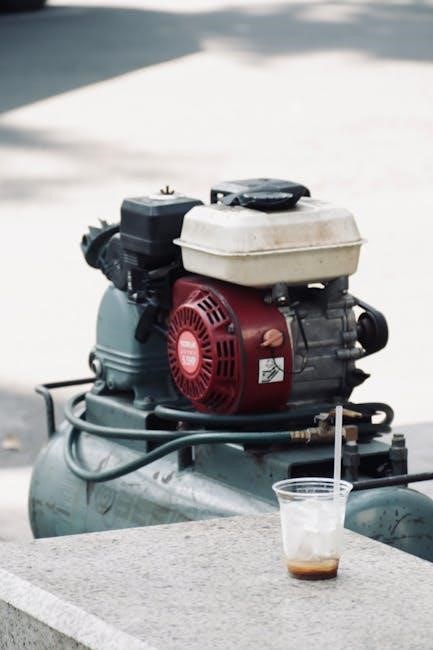
Parts Diagrams and Replacement
Instruction manuals, available online, contain crucial parts diagrams for Troy-Bilt pressure washers․
Locating these diagrams simplifies identifying components for replacement and repair procedures․
Locating Parts Diagrams
Locating parts diagrams is streamlined through the Troy-Bilt pressure washer instruction manual, often available for free download from the Internet Archive․ These manuals, such as those for the 3000 PSI, 2600 PSI, and 875Exi models, typically include detailed exploded views of the pressure washer’s components․
Resources like Manualzilla also archive these diagrams, identified by unique identifiers like ark:/13960/t6sz7qx8j․ The diagrams aid in identifying specific parts needed for repairs or replacements, ensuring accurate ordering and efficient maintenance․ Digital formats like PDF and JP2 ZIP are commonly provided․
Ordering Replacement Parts
Ordering replacement parts for your Troy-Bilt pressure washer begins with identifying the correct part number using the instruction manual’s parts diagrams․ These diagrams, accessible via resources like the Internet Archive and Manualzilla, are crucial for accurate ordering․
Once identified, parts can be ordered through Troy-Bilt’s customer support or authorized retailers․ Having the model number (e․g․, 3000 PSI, 2600 PSI, 875Exi) readily available will expedite the process, ensuring compatibility and a successful repair․

Detergent Usage
Troy-Bilt manuals detail recommended detergents and proper mixing ratios for optimal cleaning․
Always consult your instruction manual to ensure compatibility and avoid damaging the unit․
Recommended Detergents
Troy-Bilt pressure washer instruction manuals emphasize using detergents specifically formulated for pressure washing equipment․ These detergents are designed to work effectively with the pump and avoid potential damage․
Avoid using household cleaners, abrasive chemicals, or flammable liquids, as these can compromise the system’s integrity and void the warranty․ The manual will often list approved detergent types for various cleaning applications, such as automotive, deck cleaning, or general household surfaces․
Always refer to the detergent’s label for specific dilution instructions and safety precautions before use․
Mixing Detergents Properly
Troy-Bilt pressure washer instruction manuals detail the correct method for mixing detergents․ Typically, detergents are diluted with water before being added to the pressure washer’s detergent tank․
The manual will specify the appropriate ratio – often a low-concentration mix to prevent clogging or damage․ Never use undiluted detergent directly into the machine․ Always follow the detergent manufacturer’s instructions alongside the Troy-Bilt guidelines․
Ensure the detergent tank is securely fastened and the siphon tube is properly positioned for effective application․
Warranty Information
Troy-Bilt pressure washer instruction manuals outline warranty coverage details․ These manuals explain claim procedures and the duration of protection for your specific model․
Reviewing this section ensures you understand your rights and how to address potential issues․
Troy-Bilt Warranty Coverage
Troy-Bilt pressure washer warranty details are comprehensively explained within the product’s instruction manual․ Coverage typically includes defects in materials and workmanship for a specified period, varying by component and model․
The manual clarifies what is covered, such as the pump, engine (if applicable), and frame, and what is excluded, like normal wear and tear or misuse․ It’s vital to register your product to activate the warranty․
Proper maintenance, as outlined in the manual, is often a condition of warranty validity․ Always retain proof of purchase for warranty claims․
How to Make a Warranty Claim
The Troy-Bilt instruction manual details the process for submitting a warranty claim․ Typically, this involves contacting Troy-Bilt customer support with your model number, serial number, and proof of purchase․
You may be required to provide photos or videos demonstrating the defect․ The manual outlines whether you need to ship the product to a service center or if an in-home repair is possible․
Keep all documentation related to your claim, including shipping receipts, for potential reimbursement․

Resources and Support
Troy-Bilt offers extensive support, including customer service and readily available online manuals and FAQs․ Downloadable instruction manuals, like those on the Internet Archive, are invaluable․
Troy-Bilt Customer Support
Troy-Bilt provides dedicated customer support to assist with any questions regarding your pressure washer, including locating and understanding the instruction manual․
For immediate assistance, explore the comprehensive online resources available on their official website․
These resources often include frequently asked questions (FAQs) addressing common issues and troubleshooting steps․
If you require further support, direct contact options, such as phone or email, are typically provided․
Remember to have your model number readily available when contacting support for efficient assistance;
Accessing the manual online, via the Internet Archive, can often resolve issues quickly․
Online Manuals and FAQs
Troy-Bilt offers convenient access to instruction manuals and frequently asked questions (FAQs) through their online platform and resources like the Internet Archive․
These digital resources provide immediate solutions to common issues and detailed guidance on operating your pressure washer․
You can find downloadable PDF versions of manuals for models like the 3000 PSI, 2600 PSI, and 875Exi․
The FAQs section addresses troubleshooting, maintenance, and safety procedures․ Utilizing these online tools empowers users to resolve issues independently and maximize product performance․