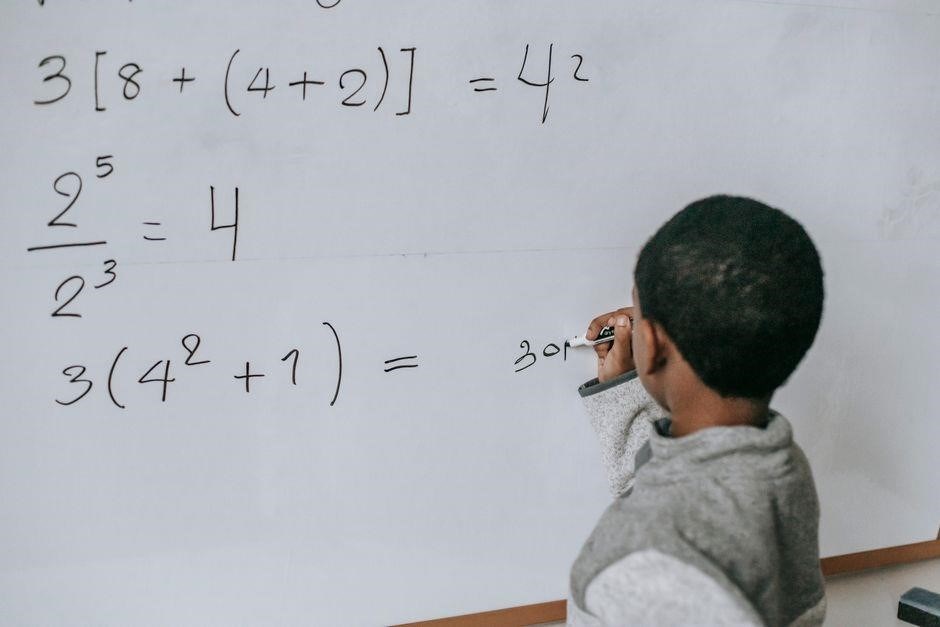
This premium PDF offers 16 scaffolded problems focused on factoring the difference of two cubes‚secondary math students. It progresses from basic integer cases to more complex expressions‚ ensuring a smooth learning curve and clear solutions. Download the PDF for answer keys and teacher aid!e!!…

Purpose and Educational Value
The purpose of this factoring special cases worksheet PDF is to provide a concise‚ printable resource that enables secondary mathematics teachers to assess and reinforce students’ mastery of advanced factorization techniques. By offering a curated set of 16 scaffolded problems‚ the worksheet supports differentiated instruction‚ allowing learners to progress from simple integer examples to more complex algebraic expressions involving higher‑degree polynomials. The accompanying answer key‚ formatted for quick reference‚ ensures that educators can efficiently verify student work‚ identify common misconceptions‚ and tailor follow‑up activities. This tool also promotes self‑paced learning‚ as students can work independently while still benefiting from the structured progression embedded in each problem set. Ultimately‚ the worksheet serves as a versatile teaching aid that aligns with curriculum standards‚ encourages critical thinking‚ and fosters confidence in algebraic manipulation skills.
Students can use this worksheet as a self‑study guide‚ allowing them to practice factorization techniques at home while teachers monitor progress through the answer key. The PDF format ensures compatibility with classroom technology‚ enabling quick printing or digital distribution. Additionally‚ the scaffolded layout encourages students to identify patterns‚ apply algebraic identities‚ and develop confidence in solving higher‑degree problems. Its clear layout supports visual learning. It boosts mastery for students

Difference of Squares

In this worksheet‚ students factor expressions of the form a²‑b² into (a‑b)(a+b). Sample problems range from simple integers to algebraic terms‚ reinforcing the identity and encouraging pattern recognition. The answer key confirms correct factorization and highlights common errors. Practice. Now!!!
Key Formula and Example Problems
The difference of squares identity‚ a²–b² = (a–b)(a+b)‚ is a foundational tool in algebraic factorization. In this PDF‚ students encounter a series of progressively challenging problems that illustrate the formula’s versatility. The first set focuses on numeric examples: 49–25‚ 144–64‚ 81–9‚ each requiring students to identify a and b‚ then apply the identity to factor the expression. Subsequent problems introduce variables‚ such as x²–9‚ 16y²–4z²‚ and (3p)²–(2q)²‚ encouraging learners to recognize patterns where a and b may themselves be algebraic terms. The worksheet also includes mixed‑term challenges‚ for instance 25u²–9v²‚ which tests the ability to factor when coefficients differ. To reinforce conceptual understanding‚ each problem is paired with a brief explanation of the steps: isolate the squared terms‚ determine a and b‚ and write the factored form. The answer key provides fully worked solutions‚ highlighting common pitfalls such as sign errors or misidentifying the components of a and b. By the end of the set‚ students will confidently factor any difference of squares‚ whether purely numeric‚ purely algebraic‚ or a combination of both‚ and will appreciate the elegance of this simple yet powerful factorization technique. Students also practice simplifying expressions like 36a²–25b² and 49c²–16d²‚ reinforcing the pattern recognition skills essential for higher‑level algebra. The answer key details each factorization step‚ ensuring students can verify their work independently. OK.

Difference of Cubes
This PDF presents 16 scaffolded problems on factoring a^3–b^3‚ ideal for secondary students. It starts with simple integers‚ then mixes variables‚ teaching the formula (a–b)(a²+ab+b²). Answers are fully worked for self‑check Students verify solutions using the key daily
Factorization Technique and Worksheet Samples
Our PDF delivers a focused set of 16 scaffolded problems that walk students through the intricacies of factoring the difference of two cubes. Each problem begins with a simple integer pair‚ such as 8³–1³‚ and gradually escalates to expressions that incorporate variables‚ coefficients‚ and mixed terms. The worksheet emphasizes the standard factorization formula (a–b)(a²+ab+b²)‚ while also encouraging students to recognize patterns and apply the formula efficiently. Sample problems include:
- 9³–4³ → (9–4)(9²+9·4+4²)
- 27x³–8y³ → (27x–8y)(27x²+27x·8y+8y²)
- 125a³–64b³ → (125a–64b)(125a²+125a·64b+64b²)
- 512x³–27y³ → (512x–27y)(512x²+512x·27y+27y²)
- 343a³–125b³ → (343a–125b)(343a²+343a·125b+125b²)
Each worksheet includes a step‑by‑step solution key‚ allowing teachers to provide instant feedback. The PDF format ensures easy printing and portability‚ making it ideal for classroom use‚ homework assignments‚ or self‑study. By integrating these scaffolded examples‚ students build confidence in recognizing and applying the difference‑of‑cubes factorization across a range of algebraic contexts.
Teachers can adapt the worksheet for differentiated instruction by varying the difficulty of the integer pairs or introducing algebraic coefficients; The PDF format supports quick printing‚ and the answer key allows for immediate grading. Students can also use the sheet as a self‑practice tool to reinforce pattern recognition and algebraic fluency daily

Sum of Cubes
This PDF offers 16 scaffolded problems focused on factoring the sum of two cubes‚ ideal for secondary math. Each exercise applies the formula (a+b)(a²–ab+b²) with clear‚ step‑by‑step solutions. Download for instant answer keys and teacher use. Perfect for quick review.Test
Factorization Formula and Practice Exercises
The PDF delivers a concise‚ print‑and‑go set of 16 scaffolded problems that focus exclusively on the sum of cubes. Each problem is framed with the classic identity a3 + b3 = (a + b)(a2 – ab + b2)‚ ensuring students see the factorization pattern clearly. The worksheet begins with simple integer pairs such as 8 + 27‚ then moves to mixed terms like 125 + 64‚ and finally challenges learners with expressions that include variables‚ for example x3 + 8y3. For each exercise‚ the answer key is provided in a separate PDF‚ allowing teachers to verify student work instantly while keeping the solution set confidential. The design follows a smooth progression: basic numerical examples‚ mixed numeric and variable terms‚ and then fully symbolic expressions. Additionally‚ the sheet includes a brief “quick‑reference” table that lists the factorization formula and a short reminder of how to handle negative terms. The practice set is suitable for secondary students preparing for algebra exams‚ and it can be used in both classroom and homework settings. Download the PDF to access the full set of problems and the corresponding answer key‚ and enjoy a ready‑made resource that saves preparation time and reinforces key algebraic concepts. Students can use the worksheet to practice factoring with negative terms‚ verifying each step with the provided key‚ and building confidence for exams.

Perfect Square Trinomials
This PDF contains 16 scaffolded problems that illustrate perfect square trinomials. Students factor expressions like x²+10x+25 into (x+5)²‚ using the (a+b)² identity. Answers are in a separate key PDF for quick verification. Use the identity to confirm factor.!
Pattern Recognition and Sample Questions
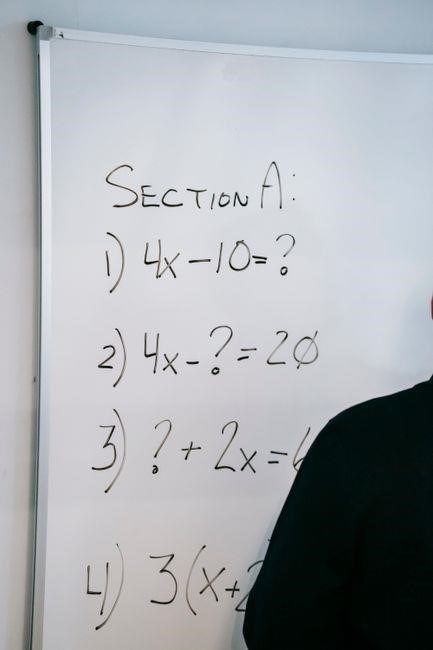
In the PDF‚ students identify the hidden structure of perfect square trinomials. Each exercise presents a trinomial such as 4x²+12x+9 or 25y²-30y+9. Learners must spot the squared term‚ the doubled middle term‚ and the constant square. The worksheet guides them through the pattern: (a+b)² = a²+2ab+b². Sample questions include:
- Factor 9m²+12m+4.
- Factor 16p²-24p+9.
- Factor 25q²+30q+9.
- Factor 49r²-70r+25.
- Factor 36s²+48s+16.
Each problem is paired with a concise answer key in PDF format‚ enabling instant feedback. The pattern recognition approach reinforces algebraic intuition and prepares students for more complex factorization tasks.
Students also practice spotting the pattern in expressions where coefficients differ‚ such as 9x²+18x+9 or 16y²-32y+16. By recognizing that the middle term equals twice the product of the square roots of the first and last terms‚ they can immediately write the factorization as (3x+3)² or (4y-4)². This reinforces the concept that perfect square trinomials arise from the square of a binomial. Practice daily now.!!
To deepen understanding‚ the worksheet includes a quick-check section where students match factored forms with their original trinomials. This recall strategy solidifies the link between algebraic manipulation and the underlying patterns‚ ensuring mastery before moving to more advanced topics.
All solutions are in PDF separate answer key for quick reference.

Scaffolded Problem Design
This PDF outlines a step‑by‑step progression‚ starting with simple integer cubes‚ moving to mixed terms‚ then to expressions with variables and constants. Each level builds confidence before tackling the full difference‑of‑cubes formula. Use the key for quick review.
Progression Strategy for Secondary Students
Begin with basic integer cubes‚ such as 8 and 27‚ to illustrate the concept of a difference of two cubes. Next‚ introduce mixed terms like 2x³ – 8‚ guiding students to factor out common factors before applying the formula. Gradually move to expressions containing both variables and constants‚ for example 5x³ – 125‚ where the factor 5 is extracted first. Finally‚ present full algebraic forms such as a³ – b³‚ encouraging students to identify a and b‚ apply the factorization (a – b)(a² + ab + b²)‚ and verify by expansion. This scaffolded approach builds confidence‚ reinforces pattern recognition‚ and aligns with curriculum standards. The accompanying PDF provides step‑by‑step solutions‚ enabling quick assessment and targeted feedback;
Teachers can use the PDF answer key to provide immediate feedback‚ allowing students to self‑correct and focus on misconceptions. Differentiated tasks—such as simplifying 3x³ – 27 or factoring (2y)³ – 8—can be added to the worksheet to cater to varying skill levels. Encourage peer discussion after each problem‚ and incorporate reflective questions like “What patterns did you notice when factoring?” to deepen conceptual understanding. The PDF format ensures portability‚ and the clear‚ step‑by‑step solutions help students verify their work independently while still offering a reliable resource for instructors. Additionally‚ the answer key can be printed separately for quick reference during class.! Great resource‚ teach.

PDF Answer Key Creation
Creating a PDF answer key involves formatting solutions clearly‚ using consistent fonts‚ and ensuring accessibility with alt text for images. Include page numbers‚ concise explanations‚ and a table of contents. Distribute via LMS or email‚ and offer a printable version for classroom use for all extra!
Formatting‚ Accessibility‚ and Distribution Tips
When compiling a PDF answer key for factoring special cases‚ start by standardizing font styles—use sans-serif for readability and bold for headings. Ensure consistent spacing: 1.5 line height and 12‑point font for body text. Embed page numbers and a clickable table of contents for easy navigation. For accessibility‚ add descriptive alt text to all equations and use the MathML format where possible. Include a “Quick Reference” section that lists key factorization formulas (difference of squares‚ cubes‚ and perfect square trinomials) so students can verify solutions independently. When distributing‚ upload the PDF to a secure learning management system (LMS) and provide a direct download link via email for teachers who prefer offline access. Offer a compressed ZIP file containing the PDF and a separate text file with step‑by‑step solutions for those who want to print or annotate. Finally‚ test the PDF on multiple devices—desktop‚ tablet‚ and mobile—to confirm that all links‚ fonts‚ and images render correctly. This approach guarantees that the answer key is both user‑friendly and compliant with modern accessibility standards. Teachers can embed the PDF in class portals‚ link it to interactive quizzes‚ or print it for handouts; the key’s clear layout and step‑by‑step explanations help students self‑check and reinforce concepts‚ ensuring consistent mastery across the curriculum. Students benefit and teachers gain insight